Anyone planning a visit to Cambridge is likely to add the University to their itinerary. Not only is it one of the 4 oldest Universities in the world, but it is also a quintessential part of the city’s charming culture. However, navigating when, where, and how to structure a visit can sometimes be complicated.
The first thing to know is how Cambridge University is structured. In this blog, we will explain exactly that, in the hopes of providing you with a straightforward guide to Cambridge University life.
What Is the University of Cambridge?
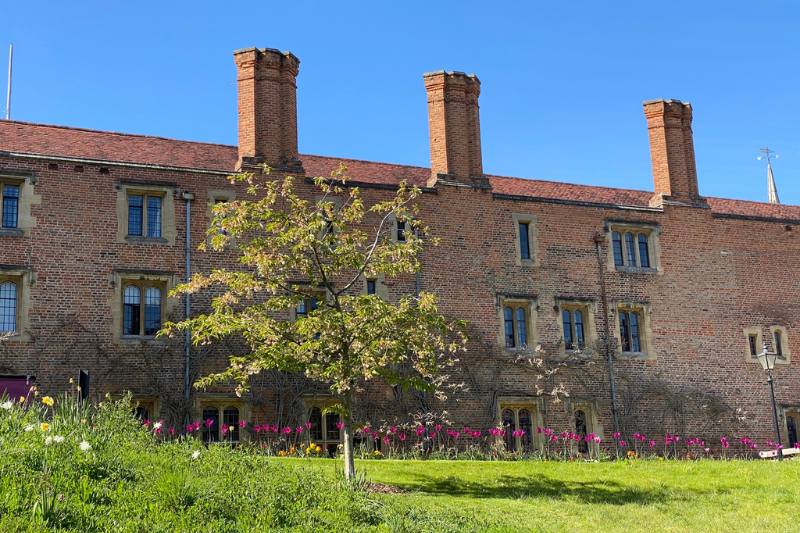
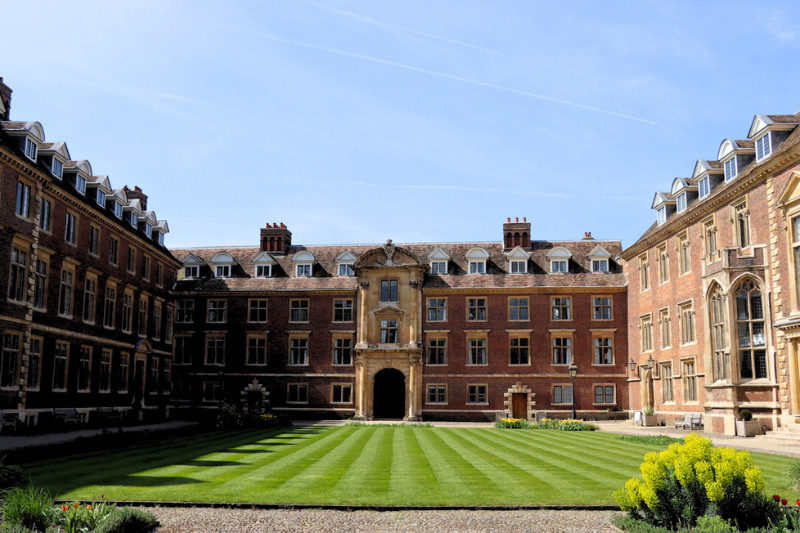
Cambridge University was founded in 1209, making it one of the oldest universities in the world. However, unlike most universities, it is not a single campus. Instead, it is a collegiate university made up of 31 individual colleges.
Essentially, the University and its colleges have designated responsibilities.
- Cambridge University: sets courses, delivers lectures, and awards degrees.
- Cambridge University colleges: provide accommodation, dining, and small-group teaching called supervisions.
Therefore, every student belongs to both a department and a college. This dual structure often causes confusion. Think of it like Harry Potter: all students belong to Hogwarts (the University of Cambridge), but each student is also part of a specific house, such as Gryffindor or Slytherin, much like Cambridge students belong to individual colleges such as King’s or Trinity. Nevertheless, it is central to Cambridge’s identity.
Cambridge Colleges Explained
The Cambridge University Colleges operate independently. Moreover, each one has its own history, staff, and traditions.
All Cambridge University students apply to a specific college; however, all degrees are awarded by the University itself.
You may recognise famous colleges such as:
- King’s College
- Trinity College
- St John’s College
- Queen’s College
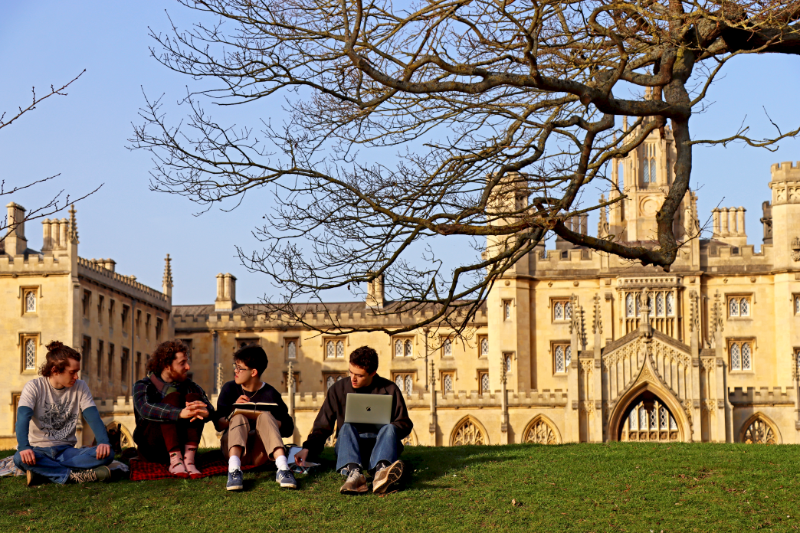
The colleges are dotted throughout Cambridge city centre, resulting in university culture being woven into everyday life.
What Are the College Backs?
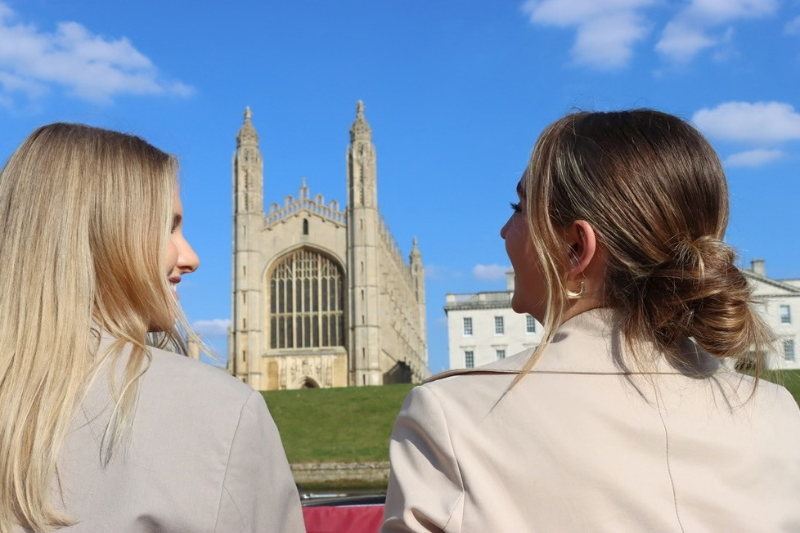
Due to the transportation of goods along the River Cam, a lot of the Collages were positioned along the riverside. Therefore, a trip down the river can provide a magnificent showcase of the colleges for those interested in the full ‘Cambridge’ experience.
Collectively, these views are known as the College Backs.
Unfortunately, you can only see fragments of the buildings from the road; therefore, a guided tour along the College Backs is the perfect way to view sweeping lawns and historic bridges.
Cambridge University Museums and Traditions
As impressive as the collages are, it is important for visitors to also explore beyond them. The university is also home to countless museums and galleries, dedicated to science, art, and archaeology. These museums are collectively utilised to reflect the extraordinary breadth of subjects studied here, alongside the wide-ranging interests of its students. Most museums are free to enter, allowing visitors to engage directly with Cambridge University life.
Additionally, traditions remain an important part of student culture. Formal Hall dinners, academic gowns, and May Balls all continue today. Consequently, Cambridge blends historic ritual with modern academic study.
Why Cambridge Can Feel Confusing
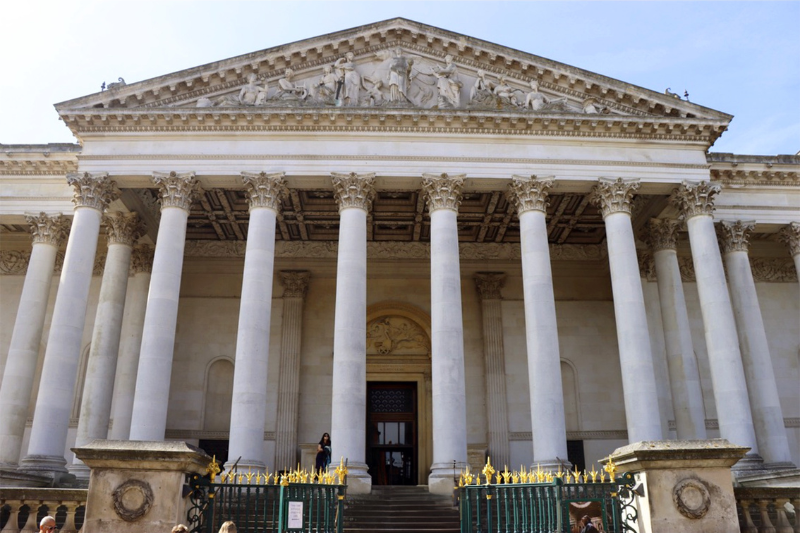
Cambridge often feels complex because its buildings are not grouped in one area. Instead, its colleges, departments, and libraries are scattered across the city. Some areas are open to visitors. Others remain private during term time. Therefore, it can be difficult to understand what belongs to whom.
However, a trip down the college’s back will help any visitor understand the university system and how it operates.
Why Punting Helps You Understand Cambridge
Punting tours along the River Cam provide insight into several of the historical colleges, including King’s, St Johns, and Trinity. As you glide along the water, the relationship between the buildings becomes clearer.
Moreover, you see the College Backs exactly as they were designed to be viewed. Instead of navigating narrow streets, visitors can experience the architecture in one uninterrupted stretch. This makes the University’s structure feel logical rather than confusing.
Punting tours are as informative as they are relaxing, but why take our word for it? Here are some reviews left by visitors:
‘Ryan was a great guide! We were lucky enough to have a glorious sunny afternoon and a wealth of wildlife to entertain us. With his extensive knowledge of the history of Cambridge (as well as some stories of alumni), we found out so much. The punting itself was smooth, and we managed to avoid amateur punters, enjoying a smooth ride. Would recommend!’ – Vicky
‘Callum was a great tour guide, relaxed, informative and very amusing. Thoroughly enjoyed his guide along the River Cam. Highly recommended.’ – Julie
Frequently Asked Questions
Is Cambridge University the same as its colleges?
To put it simply – No. The University sets academic standards and awards degrees, whereas the colleges provide community, accommodation, and supervision.
How many colleges are in Cambridge?
There are a total of 31 colleges that form the University of Cambridge.
What are the College Backs?
The College Backs are the riverside gardens and rear views of several historic colleges.
Can you visit Cambridge colleges?
Many colleges allow visitors at specific times. However, access may be restricted during term times. We recommend looking directly on each college website for opening times and pricing.
Cambridge, Clearly Explained
To summarise: Cambridge is one University made up of 31 independent colleges. They create a system that is historic, layered, and distinctive. However, the easiest way to gain information is from the seat of an expert-guided punting tour. Book your punting tour here today!